Assisted Living vs. Aging in your home: Benefits That Can Enhance Life
Business Name: BeeHive Homes of Gallup
Address: 600 Gurley Ave, Gallup, NM 87301
Phone: (505) 591-7024
BeeHive Homes of Gallup
Beehive Homes of Gallup assisted living care is ideal for those who value their independence but require help with some of the activities of daily living. Residents enjoy 24-hour support, private bedrooms with baths, medication monitoring, home-cooked meals, housekeeping and laundry services, social activities and outings, and daily physical and mental exercise opportunities. Beehive Homes memory care services accommodates the growing number of seniors affected by memory loss and dementia. Beehive Homes offers respite (short-term) care for your loved one should the need arise. Whether help is needed after a surgery or illness, for vacation coverage, or just a break from the routine, respite care provides you peace of mind for any length of stay.
600 Gurley Ave, Gallup, NM 87301
Business Hours
Choosing between assisted living and aging in your home is hardly ever a simple either-or decision. For lots of households, it starts as a practical inquiry, then rapidly becomes something much more personal. Where will mom feel risk-free when she gets up at night? Just how much assistance does dad really require with showering, food preparation, or keeping in mind medicines? What happens if the house itself has actually become part of the problem, with stairways, unsafe tubs, and a mail box that feels further away every year?
I have seen this decision from both sides, and the tough component is that each choice can look perfect from a range. Aging in your home guarantees convenience, personal privacy, and continuity. Assisted living offers structure, support, and less everyday concerns. The ideal option generally depends much less on approach and more on the details of day-to-day life. Meals, medication, transportation, isolation, safety, house cleaning, and the large amount of initiative it takes to keep a home running can matter greater than individuals expect.
When family members look for senior care near me or compare assisted living near me options, they are typically not attempting to make a dramatic life change. They are trying to recover a workable regimen. That is where the real distinctions reveal up.
What day-to-day live actually resembles at home
Aging at home can be deeply satisfying when the atmosphere still fits the person. There is a huge difference between living in a familiar location and living in a place that is still manageable. A home that was very easy to navigate at 68 may start to feel bothersome at 78 and truly high-risk by 84. An action at the front door, a narrow bathroom entrance, or an utility room in the cellar can become minor irritations at first, then day-to-day obstacles.
The ideal aspect of aging in the house is apparent. People keep their very own routines, their own furniture, and their own sense of area. The photos remain on the wall surface, the next-door neighbor still waves from nearby, and the canine keeps sleeping at the foot of the bed. For numerous older adults, that connection issues greater than almost anything else.
Still, home has actually hidden job. Somebody has to grocery store, tidy, drive, coordinate appointments, remember which drug store has the prescription all set, and make sure the fridge does not slowly fill out with run out food. Also when an individual is primarily independent, the administration of life can end up being exhausting. I have watched family members underestimate this component. They think the issue is whether their loved one can bath alone, but the bigger issue is that the person is spending all their power simply staying afloat.
That is where assisted living begins to look less like a last hope and more like a sensible upgrade.
What assisted living adjustments in the normal day
Assisted living is frequently misconstrued due to the fact that people visualize it just in terms of care. In reality, much of its worth originates from getting rid of the friction that makes average life more difficult than it should be. A resident does not have to fret about cooking every meal, repairing a leaking faucet, or questioning whether a person will certainly see if they miss out on morning meal. That appears small till you live it every day.
An excellent assisted living neighborhood creates a rhythm. Meals arrive on time. Drug suggestions are built into the day. Housekeeping is taken care of. Washing is no more a half-finished task being in the washer for 2 days. Transport might be readily available for visits or getaways. For somebody that has actually been drained pipes by the consistent logistics of living alone, this can seem like getting a section of life back.
The other point households notice is how much power disappears when all the history tasks are eliminated. One lady I fulfilled, who had actually spent months declining in your home, informed her little girl that she did not understand just how worn out she was up until she stopped having to make every meal herself. Within a couple of weeks in assisted living, she was walking more, joining friends for lunch, and sleeping far better since she was not up at 2 a.m. Fretting about whether she had actually taken her pills.
That is not universal, of course. Some people never ever resolve in, which matters too. However when assisted living fits, the quality-of-life enhancement is typically immediate and visible.
Safety is not a small detail
Safety is typically the factor where the conversation becomes real. Falls are not abstract stats when they take place to a person you love. A solitary loss can transform the whole trajectory of aging, especially if recovery is sluggish. In your home, the danger typically hides in familiar locations, such as a restroom without grab bars, a dim hallway, or a stairs that seemed harmless for decades.
Assisted living is made to lower that sort of danger. Hallways are much better lit. Shower rooms are normally adapted. There are personnel close by if aid is needed. For somebody who has started to come to be unstable, that support can imply the difference in between mindful self-reliance and consistent fear.
At home, households usually try to fix the safety trouble one item each time. They add a shower chair, after that an elevated commode seat, then a clinical alert button, then a person checks in by phone 3 times a day. Those steps can assist, and in some cases they suffice. But if the person still really feels worried of dropping, or has actually already dropped one or two times, the home might no longer be the safest place regardless of the amount of gadgets get installed.
This is one reason a lot of individuals start looking for assisted living near me after a healthcare facility remain or a close phone call. The occasion itself may more than, however the concern sticks around. Safety becomes part of every decision after that.
The social side of care matters greater than people expect
Loneliness can be as draining pipes as physical constraint. That seems soft until you see what it does to an individual's day. People that live alone might choose hours without talking with anyone. They skip dishes, dislike pastimes, and quit going out due to the fact that it seems like excessive difficulty. Gradually, the globe obtains smaller.
Assisted living does not magically fix loneliness, yet it frequently transforms the social climate in a significant means. There are people around at dishes, planned activities, shared common areas, and a sense that someone will discover if a resident is uncommonly quiet. For some older grownups, that mild public opinion is in fact a gift. It nudges them back into life.
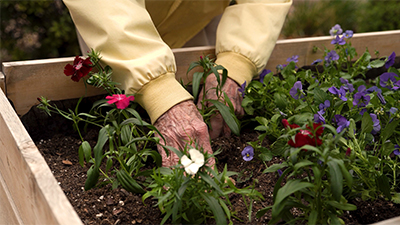
Aging in the house can likewise be socially rich, yet only if there is effort behind it. That normally indicates family members visits, close friends who still drive, community programs, spiritual gatherings, clubs, or a solid neighbor network. Without that, home can come to be separating really quickly.
One of the clearest distinctions in between both choices is this: home preserves privacy, while assisted living produces built-in get in touch with. For an individual that is normally social, that call may boost mood almost right away. For a person that values solitude, it might take modification. The best fit relies on personality as high as health.
Independence looks various in each setting
A lot of families hear words assisted living and think it implies losing freedom. Sometimes individuals do lose several of the particular freedoms they value, like choosing to consume at 10 p.m. Or skipping lunch totally. Yet self-reliance is wider than control over every information. It additionally includes being able to pick just how to invest your focus and energy.
At home, a person might practically remain independent while silently investing throughout the day taking care of jobs that sap their toughness. They are independent, yet tired. In assisted living, some of those jobs relocate off their plate, which can in fact protect self-reliance in an extra purposeful way. They still choose when to visit an activity, what to use, whether to snooze, and how to spend the mid-day. The difference is that they are not carrying the whole house alone.
That compromise issues. An individual who insists on aging in your home may be securing autonomy, yet they might likewise be securing a worry. An individual who relocates to assisted living might give up some control over the form of the day, but gain enough support to remain energetic and engaged.
This is why wide declarations about "much better" or "worse" miss the point. The inquiry is not which setting offers a lot more flexibility in theory. It is which one allows an individual cope with much less pressure and more self-respect in practice.
Medical assistance, suggestions, and the gray area between healthy and balanced and frail
Not every person who requires assistance is clinically fragile. That is where decisions get challenging. Many older adults do not need knowledgeable nursing, however they do need help keeping an eye on drugs, observing modifications in appetite, getting to appointments, or reacting when flexibility starts to slip.
Assisted living can be a strong middle ground for individuals because gray location. Staff are not replacing physicians, but they can help make sure the essentials happen accurately. A missed high blood pressure tablet or a duplicated medication mistake might not seem significant in the moment, however gradually it can make home life harder and more dangerous.
At home, families typically try to load the space with pill coordinators, alarm systems, sticky notes, and phone pointers. Those devices help until they do not. The concern is not generally knowledge or determination. It is that aging brings more disturbances, more visits, and a lot more possibility for the routine to fall apart. When memory begins to wobble, also slightly, consistency comes to be the genuine challenge.
If someone is still handling most of their life however needs a watchful environment, assisted living can provide the best equilibrium. If they require hands-on medical care, regular transfers, or specialized dementia support, then one more degree of senior care might be better suited. Understanding the distinction avoids a great deal of broken heart later.
The home people picture and the home they actually live in
Families often speak about "staying at home" as if it means remaining specifically as they are currently. That is not generally just how aging jobs. The home itself changes significance. Upstairs rooms go unused. The kitchen area comes to be tougher to stand in. A backyard that once really felt enjoyable turns into a job. A captivating old house can become a series of compromises.
That does not indicate aging at home is wrong. It suggests your home ought to be examined honestly, not passionately. If the person can live safely there with manageable supports, after that home can remain the best location. If each day depends upon an expanding listing of accommodations and emergency back-up strategies, the equilibrium may have shifted.
I have seen households spend thousands on modifications due to the fact that they hoped to prevent a relocation. Sometimes that cash is well invested. Expanded doorways, walk-in showers, staircase lifts, and much better illumination can acquire years of comfort. Various other times your house still does not fit, no matter how much is included. In those cases, the psychological attachment is reasonable, yet it must not be puzzled with feasibility.
Cost is actual, however so is the covert price of doing whatever at home
People typically compare assisted living to home mortgage or rent and stop there. That misses the full picture. Aging in your home can entail paid assistants, dish delivery, transportation services, home repairs, drug management devices, and the time relative invest filling out the voids. Some of those prices show up. Others are concealed in lost work hours, caregiver anxiety, and burnout.
Assisted living typically includes a much more packed regular monthly price, which can make budgeting simpler. The resident obtains real estate, dishes, assistance, and a built-in framework of solutions. For some families, that predictability is a major benefit. They would rather pay one specified quantity than piece together a jumble of care at home.
Still, cost comparisons have to be truthful. A reasonably independent person can commonly stay home more economically than they might live in assisted living, particularly if family help is available. On the various other hand, when the degree of support in your home grows, the numbers can alter quickly. What starts as a few hours helpful weekly can become everyday help, which is where the math begins to amaze people.
The best strategy is to contrast the total effort, not simply the regular monthly bill.
Respite care and the value of trying before deciding
Families occasionally feel pressure to make a permanent decision promptly, yet there is usually a middle course. Respite care can offer everyone space to breathe. It can be made use of after a surgical treatment, when a caretaker needs a break, or just to check whether a person feels comfy in a senior living environment.
That test period can tell you more than a long conversation ever will. Does the person consume far better when dishes are served to them? Do they delight in having neighbors close by? Do they appear calmer due to the fact that the day is much more structured? Or do they become withdrawn because the setup feels strange and controlling?
A brief keep can likewise expose what assistance is still genuinely needed in your home. Some individuals uncover that they succeed in assisted living just while they are recuperating, after that intend to return home. Others understand they rest much better, stress much less, and move a lot more once they run out the seclusion of home. Caregivers, on the other hand, often learn just how much they have actually been carrying.
Respite care is not just practical. It is usually the very first truthful peek of what sustainable care looks like.
Choosing based on the individual, not the ideal
The best option rarely comes from a slogan. It originates from looking meticulously at the real person in front of you. Some older grownups grow on their own since they are disciplined, socially linked, and still literally constant. Others end up being safer and better with assistance around them since life has ended up being as well demanding to manage alone.
A few inquiries normally clear up the choice quicker than long arguments. Is the person eating regularly? Are medications being taken properly? Can they get to the restroom securely during the night? Are they isolated? Are family members caretakers tired? Does your home still fit the body living in it?
When those responses direct towards strain, assisted living typically enhances daily life in obvious methods. Fewer chores, less fear, senior living even more contact, much better dishes, and extra trusted support can produce a visible lift in state of mind and energy. When the responses aim toward stability, aging in your home may stay the better path, particularly if the individual highly chooses it and has a practical support system.
For families looking senior living or asking about for senior care near me, the best decision is usually not the most dramatic one. It is the one that restores a lasting rhythm.
What lifestyle looks like after the decision
The healthiest end results I have seen share an usual thread. The older adult is not investing every day supporting versus basic jobs. Whether they are at home with assistance or in assisted living, the atmosphere is assisting them live, not simply make it through. They still have choices, regimens, aggravations, and opinions, obviously. That never modifications. However their day is not ruled by preventable stress.
In assisted living, lifestyle frequently boosts through alleviation. In aging at home, it enhances via fit, family members assistance, and thoughtful changes. Neither course is best. Each includes loss and gain. The purpose is not to eliminate concession, since that is difficult. The aim is to pick the kind of compromise that leaves enough toughness for the good parts of the day.
That might imply a precious home with grab bars, meal assistance, and a visiting caregiver. It may imply an intense home in a senior living neighborhood where meals, help, and conversation are simply down the hall. It may even imply attempting one option, after that transforming program as needs progress. Older adults do not need to obtain it right permanently. They simply need a place where the next season of life really feels manageable, safe, and human.
BeeHive Homes of Gallup provides assisted living care
BeeHive Homes of Gallup provides memory care services
BeeHive Homes of Gallup provides respite care services
BeeHive Homes of Gallup supports assistance with bathing and grooming
BeeHive Homes of Gallup offers private bedrooms with private bathrooms
BeeHive Homes of Gallup provides medication monitoring and documentation
BeeHive Homes of Gallup serves dietitian-approved meals
BeeHive Homes of Gallup provides housekeeping services
BeeHive Homes of Gallup provides laundry services
BeeHive Homes of Gallup offers community dining and social engagement activities
BeeHive Homes of Gallup features life enrichment activities
BeeHive Homes of Gallup supports personal care assistance during meals and daily routines
BeeHive Homes of Gallup promotes frequent physical and mental exercise opportunities
BeeHive Homes of Gallup provides a home-like residential environment
BeeHive Homes of Gallup creates customized care plans as residents’ needs change
BeeHive Homes of Gallup assesses individual resident care needs
BeeHive Homes of Gallup accepts private pay and long-term care insurance
BeeHive Homes of Gallup assists qualified veterans with Aid and Attendance benefits
BeeHive Homes of Gallup encourages meaningful resident-to-staff relationships
BeeHive Homes of Gallup delivers compassionate, attentive senior care focused on dignity and comfort
BeeHive Homes of Gallup has a phone number of (505) 591-7024
BeeHive Homes of Gallup has an address of 600 Gurley Ave, Gallup, NM 87301
BeeHive Homes of Gallup has a website https://beehivehomes.com/locations/gallup/
BeeHive Homes of Gallup has Google Maps listing https://maps.app.goo.gl/iMEbZo7VyH1tHATP9
BeeHive Homes of Gallup has TikTok page https://www.tiktok.com/@beehivehomesgallup
BeeHive Homes of Gallup has an YouTube page https://www.youtube.com/@WelcomeHomeBeeHiveHomes
BeeHive Homes of Gallup has Facebook page https://www.facebook.com/beehivehomesgallup
BeeHive Homes of Gallup has Instagram page https://www.instagram.com/beehivehomesofgallup/
BeeHive Homes of Gallup won Top Assisted Living Homes 2025
BeeHive Homes of Gallup earned Best Customer Service Award 2024
BeeHive Homes of Gallup placed 1st for Senior Living Communities 2025
People Also Ask about BeeHive Homes of Gallup
What is BeeHive Homes of Gallup Living monthly room rate?
The rate depends on the level of care that is needed. We do a pre-admission evaluation for each resident to determine the level of care needed. The monthly rate is based on this evaluation. There are no hidden costs or fees
Can residents stay in BeeHive Homes of Gallup until the end of their life?
Usually yes. There are exceptions, such as when there are safety issues with the resident, or they need 24 hour skilled nursing services
Do we have a nurse on staff?
No, but each BeeHive Home has a consulting Nurse available 24 – 7. if nursing services are needed, a doctor can order home health to come into the home
What are BeeHive Homes of Gallup's visiting hours?
Our visiting hours are currently under restriction by the state health officials. Limited visitation is still allowed but must be scheduled during regular business hours. Please contact us for additional and up-to-date information about visitation
Do we have couple’s rooms available?
Yes, each home has rooms designed to accommodate couples. Please ask about the availability of these rooms
Where is BeeHive Homes of Gallup located?
BeeHive Homes of Gallup is conveniently located at 600 Gurley Ave, Gallup, NM 87301. You can easily find directions on Google Maps or call at (505) 591-7024 Monday through Sunday 9:00am to 5:00pm
How can I contact BeeHive Homes of Gallup?
You can contact BeeHive Homes of Gallup by phone at: (505) 591-7024, visit their website at https://beehivehomes.com/locations/gallup/ or connect on social media via TikTok Facebook or YouTube
Residents may take a trip to the Navajo Code Talkers Museum. The Navajo Code Talker exhibits provide educational experiences suitable for assisted living, senior care, elderly care, and respite care cultural visits.